
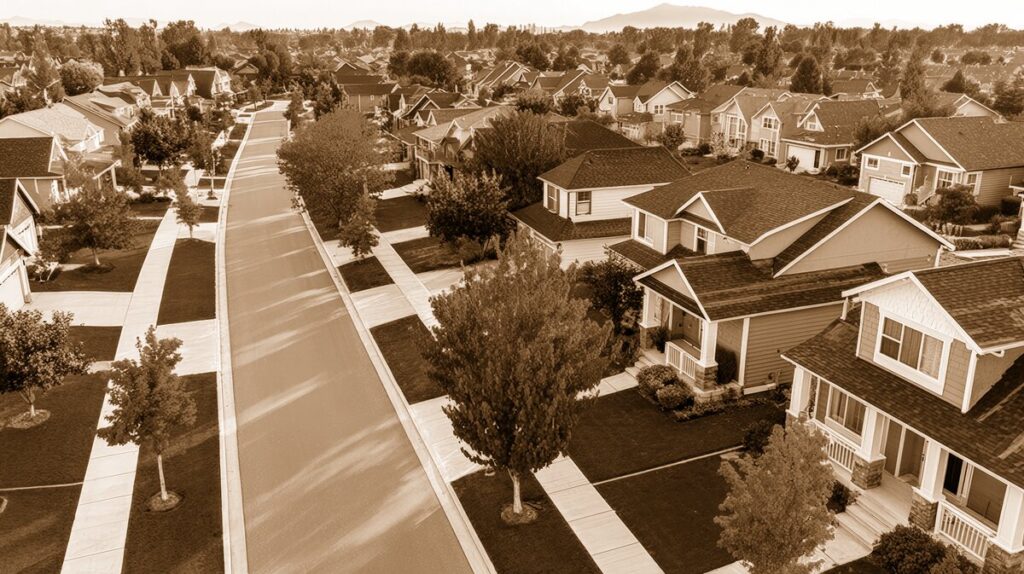
Houston Heights West is more than just a neighborhood—it's a living tapestry of Houston's rich heritage, vibrant present, and bright future. Nestled west of North Main Street and stretching between West 20th and West 26th Streets, this beloved area offers a unique blend of architectural history, shaded streets, and a welcoming spirit that keeps generations of Houstonians calling it home. As a longtime resident, let me take you on a journey through the fascinating history of Houston Heights West—exploring its origins, key milestones, local landmarks, and enduring legacy.
The Birth of Houston Heights West
Houston Heights itself was founded in 1891 as one of Texas's first planned communities. Developers Oscar Martin Carter and his Omaha and South Texas Land Company envisioned a suburb on higher ground—hence "The Heights"—offering healthier living above the swampy lowlands of downtown Houston. The community quickly grew, encompassing several subdivisions. Houston Heights West, specifically, developed just west of the Heights Boulevard esplanade, with its earliest homes appearing near Yale Street, Rutland, Nicholson, and Ashland Streets.
Why "Heights West"? As Houston Heights expanded rapidly to the north, east, and south in the early 20th century, locals started calling the area west of Heights Boulevard the "West Heights," distinguishing it from the original plats around Heights High School (formerly Reagan High) and the eastern sector near Studewood.
Early 1900s: Growth and Character
By the 1920s, Houston Heights West was evolving into its own distinct neighborhood. The streets were lined with stately Craftsman bungalows, charming Queen Annes, and handsome brick cottages—many of which still stand today. Neighbors exchanged greetings on the wide oak-shaded sidewalks, and children rode their bikes to Milroy Park, which had opened as a public green space in the heart of the West Heights.
Key milestones during this period included:
- The arrival of Houston’s streetcar line, with tracks running down Yale Street, making commutes to downtown quick and affordable.
- The establishment of Harvard Elementary School in 1898, which became a central institution for families on the west side and is now a National Blue Ribbon School.
- The construction of the Art Deco Heights Theater on W. 19th Street, just a block east, serving as a bustling venue for films and concerts.
Enduring Landmarks and Treasured Institutions
Houston Heights West is home to several notable landmarks and public spaces:
- Milroy Park: Opened in 1941 on W. 18th Street, this beloved park is a community hub, known for its shaded playground, basketball courts, and annual neighborhood gatherings.
- Heights Church (formerly Heights Christian Church): A fixture on Heights Boulevard since 1923, this Gothic Revival structure has hosted generations of weddings, concerts, and holiday celebrations.
- Historic Fire Station 14: This red-brick gem on W. 12th Street is one of Houston's oldest operating firehouses, symbolizing the self-reliant spirit of early residents.
These spaces, along with the recognizable porches and treelined avenues of Rutland, Columbia, and Tulane Streets, reflect not only the architectural heritage but also the social fabric that binds neighbors together.
Postwar Evolution and Preservation
The post-World War II boom brought changes to Houston Heights West, as new families and returning veterans sought homes. Some large lots were subdivided, and “minimal traditional” houses sprang up beside the grand Victorians. In the 1970s and '80s, the neighborhood faced challenges as Houston’s urban core suffered neglect, but loyal residents and preservationists fought to save historic homes from demolition.
These efforts laid the groundwork for the formation of the Houston Heights Association and the creation of the Houston Heights Historic District West in 2010—an official City-designated section protecting the architectural integrity of west side streets from Heights Boulevard to Yale Street.
Modern-Day Community and Culture
Today, Houston Heights West is famous for:
- Lively neighborhood events and porch parties, especially during the annual White Linen Night and Lights in the Heights.
- An eclectic mix of locally owned shops like CAVO Coffee and antique stores along W. 19th Street—fueling a walkable, village-like feel.
- The scenic hike-and-bike trail built on the old Missouri-Kansas-Texas (Katy) rail line, drawing joggers, cyclists, and dog-walkers every day.
The neighborhood’s diversity is more vibrant than ever. You’ll see young professionals mingling with retirees; families walking to the Sunday farmers market, and artists painting murals that blend history with forward-thinking creativity.
Looking to the Future
Despite modernization, Houston Heights West retains its spirit of stewardship. Residents work together to plant trees, restore historic properties, and advocate for balanced growth that honors the neighborhood’s storied past. Local schools like Harvard Elementary and Booker T. Washington High continue their tradition of excellence.
Whether you’re exploring Ashland Street’s gardens, catching a show at the Heights Theater, or simply enjoying a sunset stroll on the esplanade, you can’t help but feel the heartbeat of a community shaped by its history but always looking ahead. Houston Heights West isn’t just a place—it’s a story in motion, waiting to welcome the next chapter of Houston’s ever-evolving mosaic.